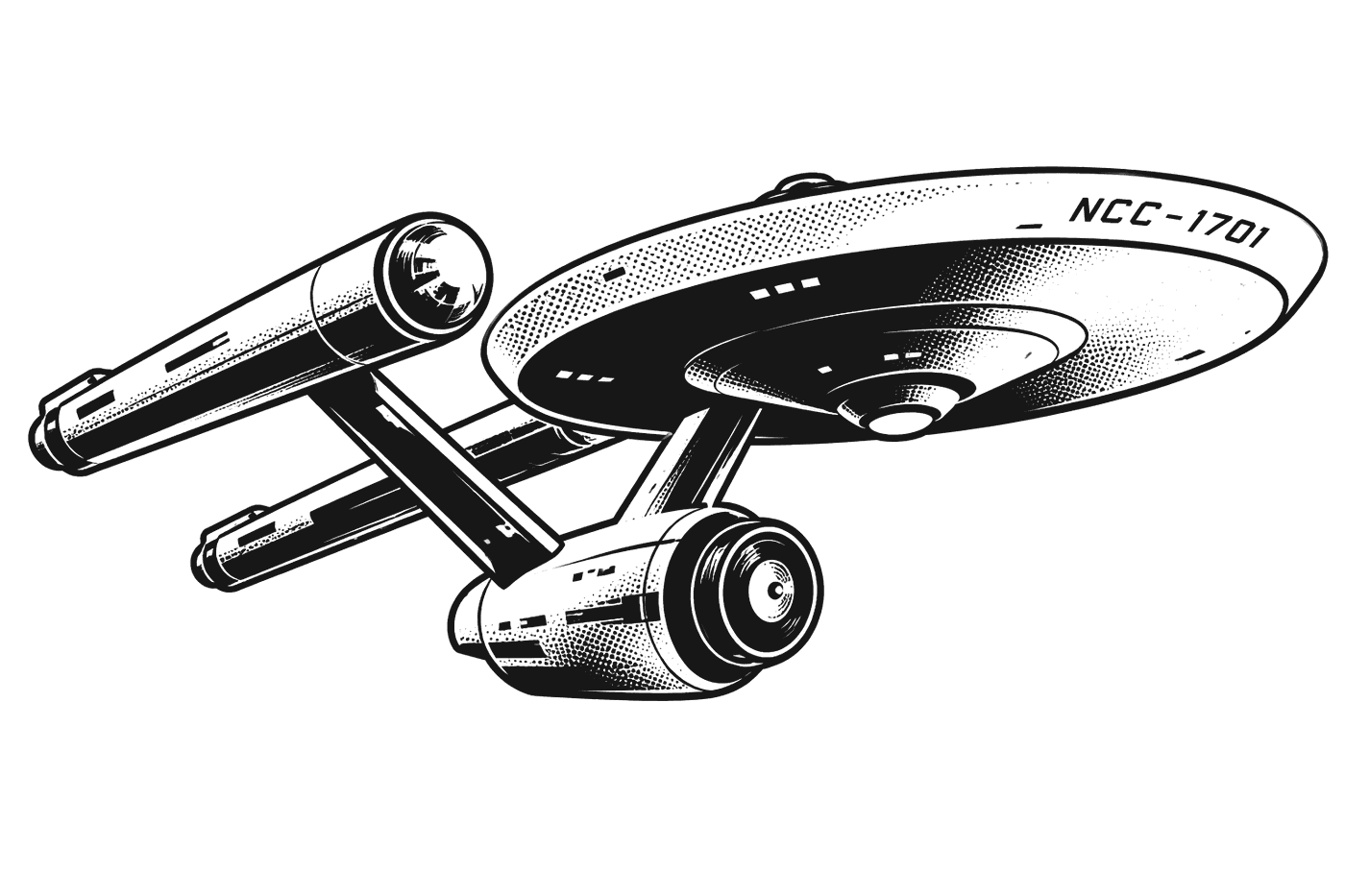
Every new technology arrives with two futures attached.
Some see Terminator. We see Star Trek.
One story ends in extinction, the other in exploration — and the difference was never the technology, it was who showed up to build it. We're taking the optimistic high ground. Everything that follows is how we earn it.
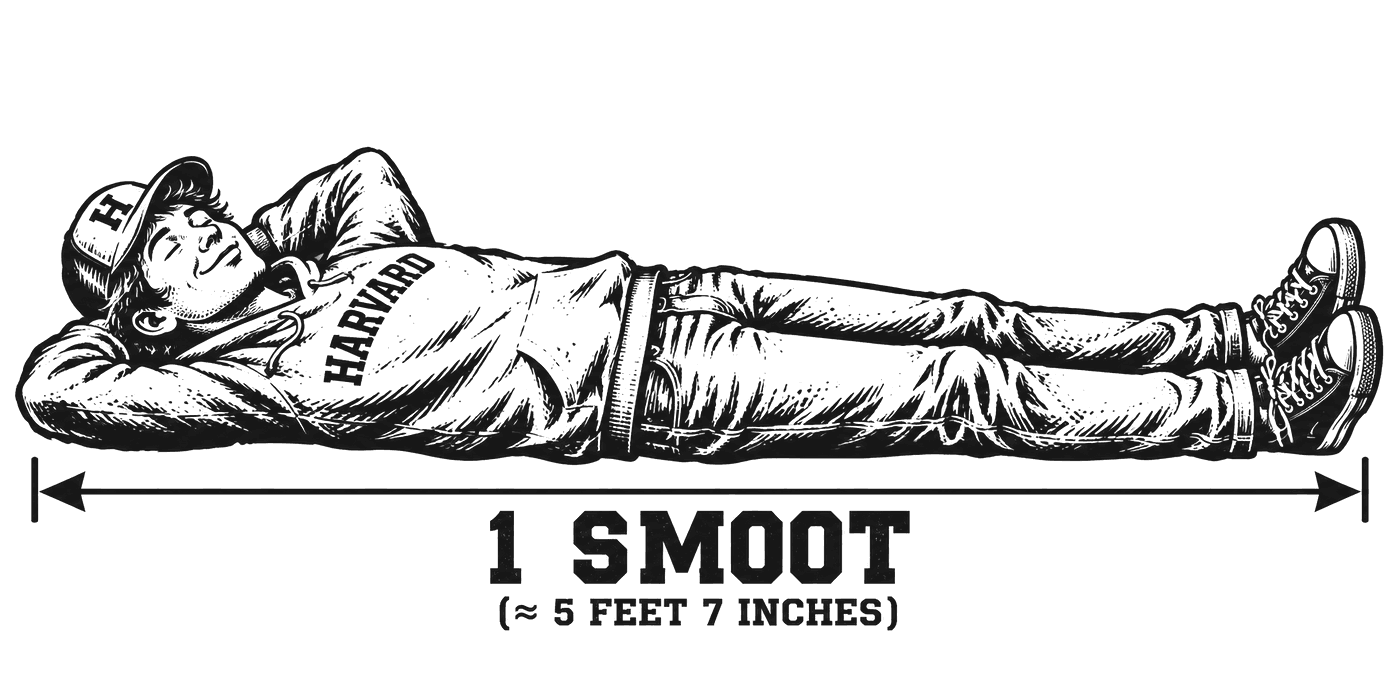
You cannot change what you refuse to count.
Weights and Measures
Project Smoot
Measurement is the constraint: delivery, evals, tokens, and ROI — which nobody has actually solved, which is exactly why it's worth owning. Knowing ROI isn't a slide, it's a product; and enterprise evals are a game we can win precisely because everyone else is busy playing theatre while we will deal in facts.
Ford, Toyota and McDonald's didn't win on parts. They won on process.
This is the way
Project Mandalorian
Ask fifty people at Quantium whether we have an opinion on how AI gets deployed at enterprise and you'll get fifty answers — so we sell hype instead of strategy. The maturity map and its dependency order is a product: it tells a client what they need next, and that's what wins the following thirty deals. The thesis is already written. Let's commit to the Quantium way, and steer all the work through it.
DocumentMeasuring AI Transformation, Organisational Change and Consultancy Dynamicsquantium.atlassian.net
Simple interfaces to powerful magic.
one click deploy
Project Railway
Seven-plus ways to ship, gated by people rather than machines, so teams route around us to Railway and Vercel and wear the cost of carry (and a huge cyber risk). One command isn't a plan — it's a symbol of standardisation, governance and choke points we don't currently have. We aren't infrastructure-ready to change the world. We will be. Phase one of Drapes.
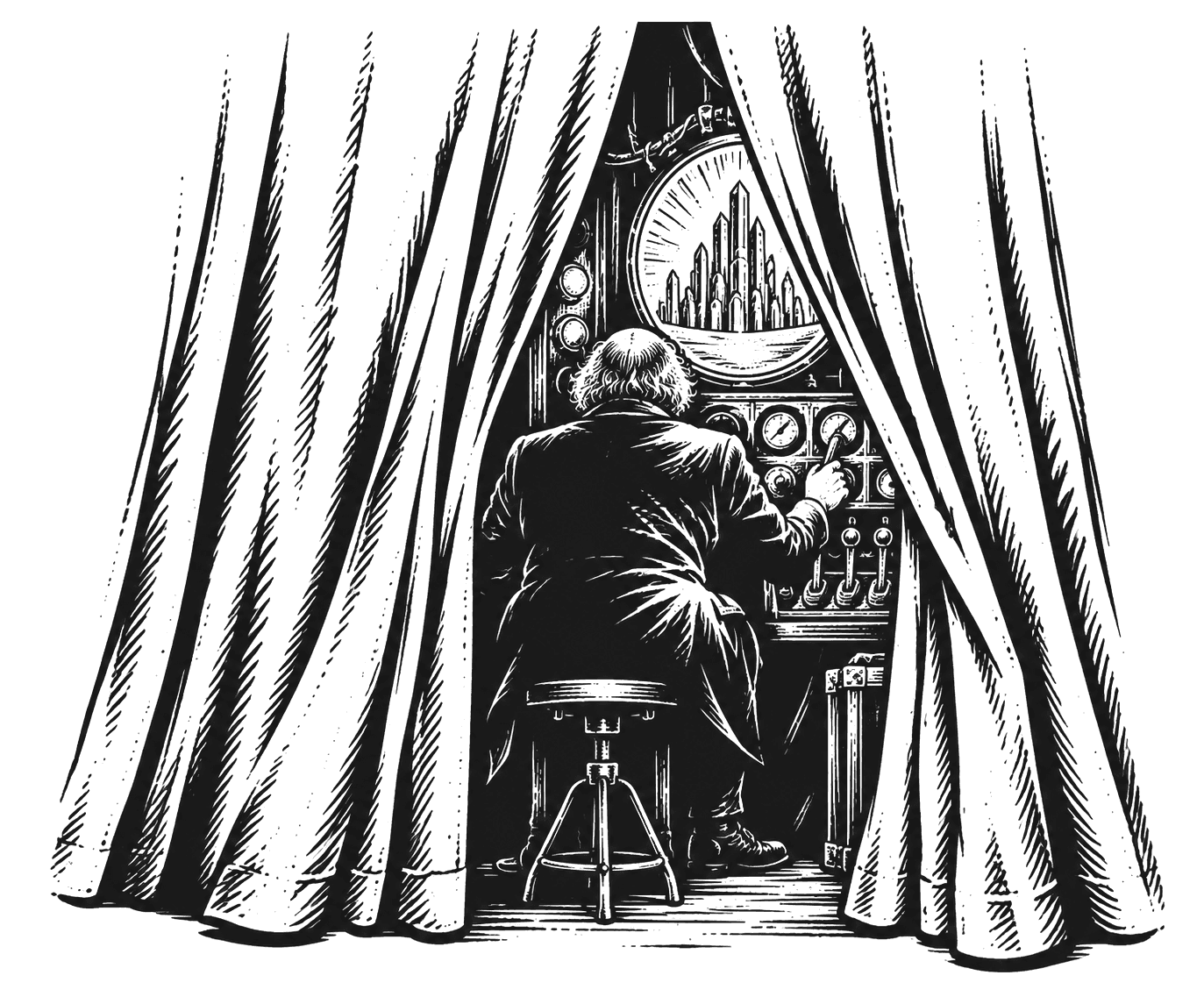
Nobody wants to watch the levers get pulled.
We hang drapes
Project Drapes
Oz was an engineer with a smoke machine — the curtain is what made him great and powerful. Our job is to put the complexity and the power of AI behind drapes: human-centred, product-led, ambient, so people don't tolerate it, they reach for it.
Start with one workflow, perhaps a dealflow pipeline — something we control but the client can see in real time. An ambient system that listens to meetings, comes up with the statement of work based on the “Quantium Way”, builds a mockup, populates a client login area, and puts the facts, figures and forms in the consultant's outbox for review.
Kill all engineers.
One dude and a button
Project HOTL
A well-engineered AI system meeting regulation ends at one person and a button. We start with the AI-SDLC and then take every other DLC the same way — human over the loop, not human in it. What survives is product engineers and platform engineers. What doesn't is the third kind, the one that ships org slop. Everyone builds products people love, or they don't build.
Software is eating the world. Someone has to do the eating.
Apex predators
Project Apex
Predators aren't born, they're made: 10% time, hackathons, a frontier environment where people can hunt safely and get a taste for blood. We want the most poachable engineers in the country — on purpose — and we want the three-layer model and the Org-Deployed Engineer to be ideas the market associates with our name.
Part signal, part instinct — the priests of the new magic and the old.
A crystal ball
Project Cavendish
The lab should make anyone here a five-minute expert on a landscape that moves weekly, and keep them a step ahead of the client and the competition. Done well, we put words in the mouths of boards, cabinets, CEOs and the press. Done badly, we're Cassandra: right, early, and ignored.
WebsiteCavendishcavendish.apps.dangerouslyskip.com
It can't come from the brand. It has to come from the people.
Air war, ground war
Project Megaphone
There shouldn't be a stage, a podcast or a feed without our people on it, and you shouldn't be able to scroll twice without a CEO meeting one of our ideas. The lab helped shape enterprise Claude and the Claude UI and nobody ever heard that story. “Quantium” should be whispered in every board room, cabinet room, dorm room and press room.

A data company with a data problem. Let's not say that out loud twice.
If we only had a brain
Project Scarecrow
We need a data platform built for the AI age and a single source of truth about ourselves — federated if it has to be, but real. Start at deal flow, end at an org-wide knowledge system, and don't settle for a wiki.
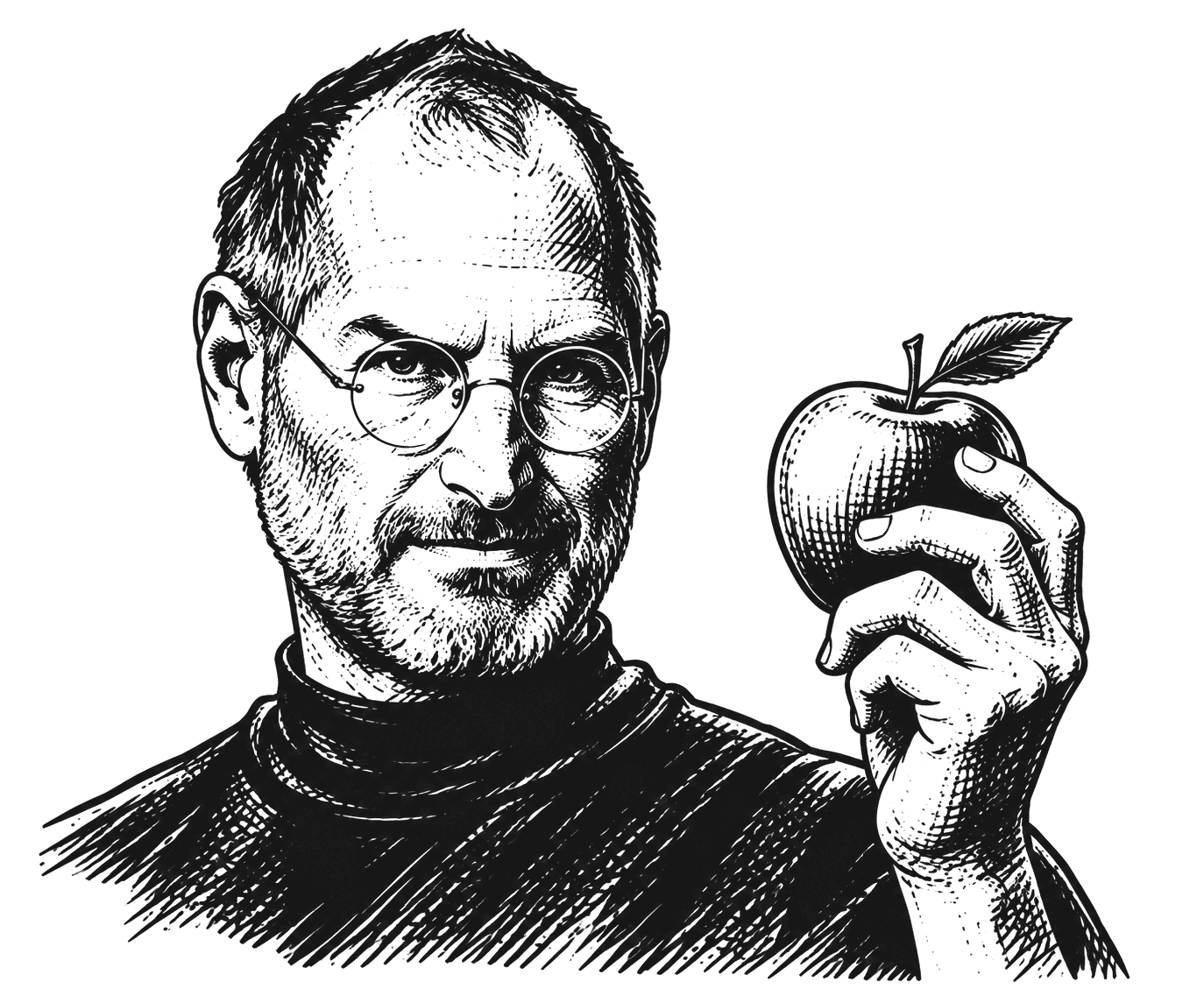
Hope isn't a plan. We'd stumble over a product and not recognise it.
Companies build products on purpose
Project Steve
Every insight we sit on, we hand to someone else. Act late often enough and you don't lose a deal, you breed a competitor. I've been told more than once that checkout is simultaneously where the money is and where the opportunity was missed — that's not bad luck, that's the absence of a mechanism.
The mechanism is already lying around in pieces: Cavendish for signal, a suggestion box for the ideas, product muscle to shape them, ten thousand cheap experiments to test them, Drapes to make them usable, and real customers to try them on. Assembly is the work.
There are two ways to do it, and we need both.
On purpose — the Kozma Method. An ideas validation inbox with collision detection and a lot of leeway to choose. Fail fast, fail cheap, fail deliberately. The lab validates or invalidates, promotes to hackathon, promotes to project. Double down on R&D, push it to GitHub, build in public. Three experiments isn't a problem. Three boondoggles nobody knows about is.
On principle — the Centre for Ugly Babies. Some things are right and early and unlovely, and they die if nobody is paid to protect them. So we pay someone.
Staff it properly — engineering, data and product in the same room — and structure it so the R&D offset does some of the lifting. And accept upfront that not every product has to make money: engineering is advertising, and open source is the cheapest distribution we will ever buy.